Historical sources of inertia:
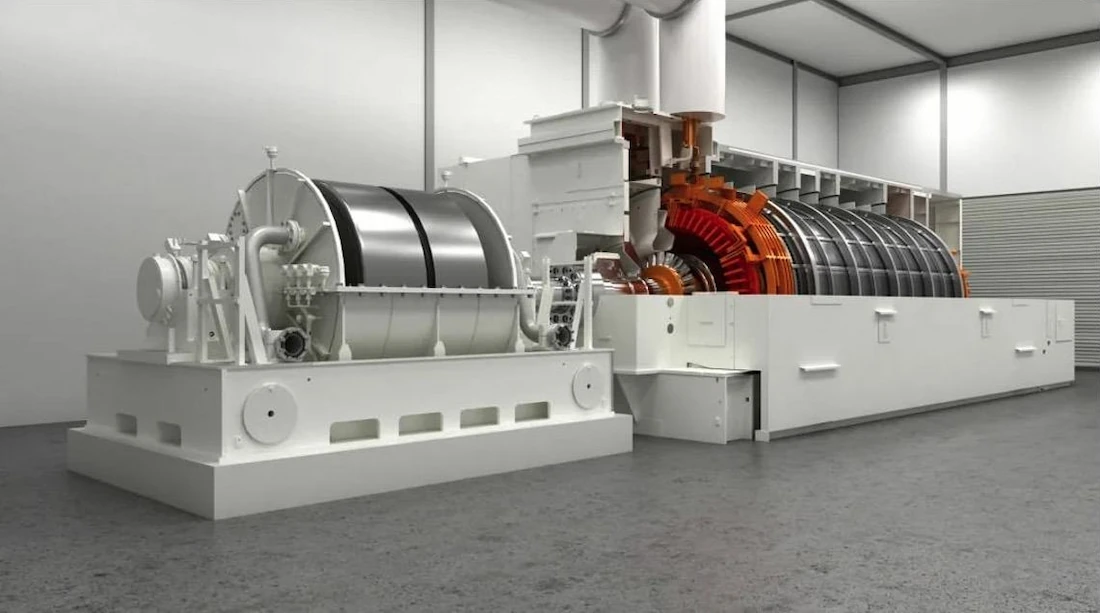
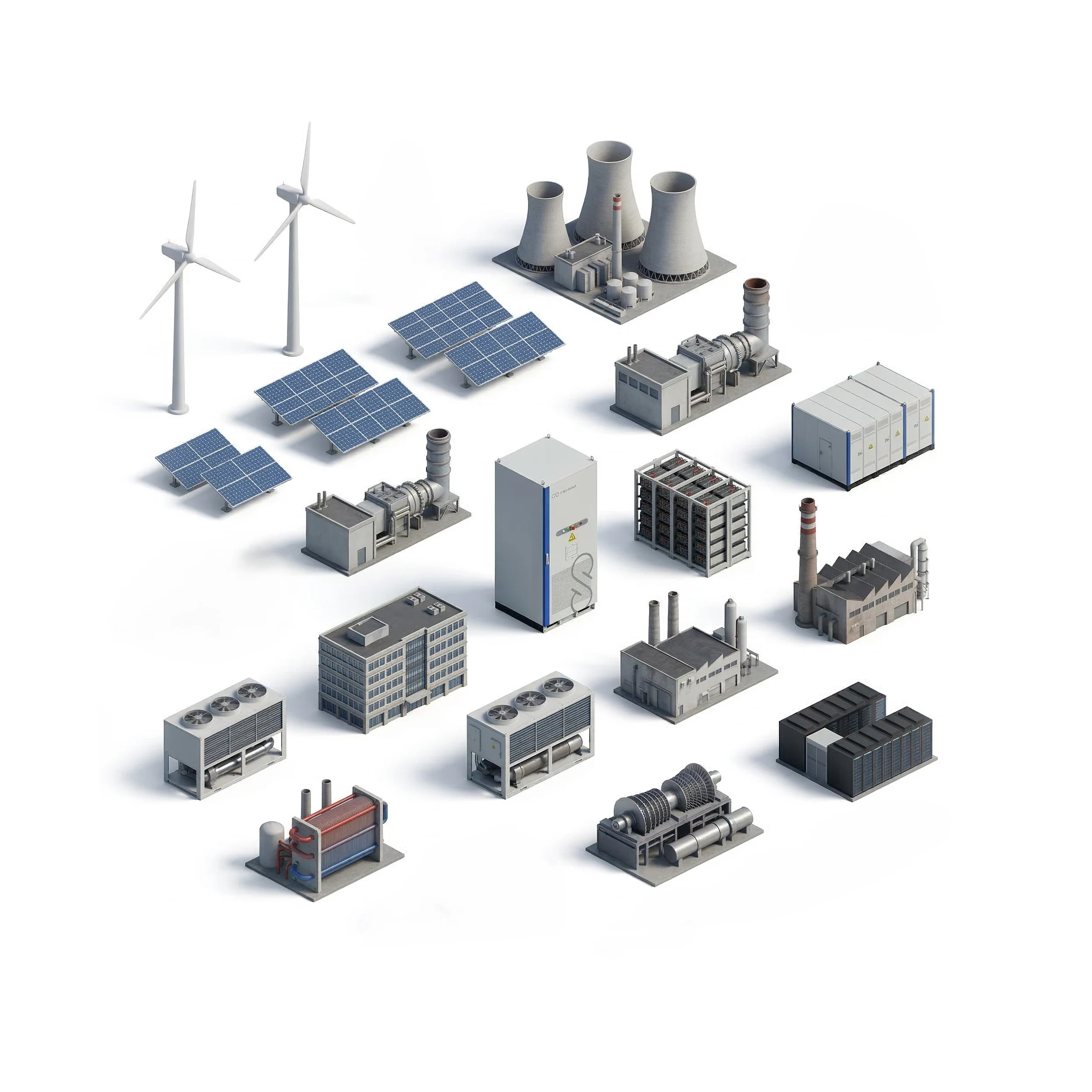
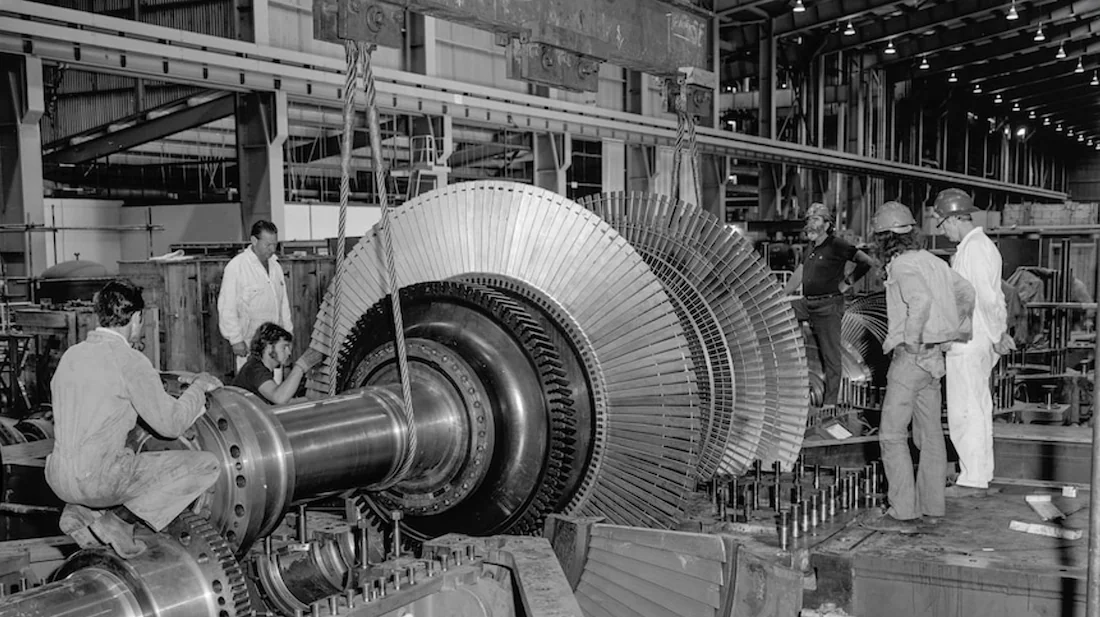
Traditionally, inertia in the power system has been provided by large synchronous generators, which store kinetic energy in their rotating masses. During a disturbance, this stored energy is released almost instantly, slowing the rate of frequency decline (Rate of Change of Frequency, RoCoF) and giving PFR and other Frequency Control Ancillary Services (FCAS) time to respond. As the NEM shifts to renewable energy, fewer synchronous generators are online, which reduces the system's inherent inertia and increases the risk of rapid frequency changes that could lead to instability.